Websters Theatre is named after the stained glass designer Alf Webster who produced some of his finest work in the building at the end of a short career cut short by his tragic death in World War 1 in 1915 at the age of 31.
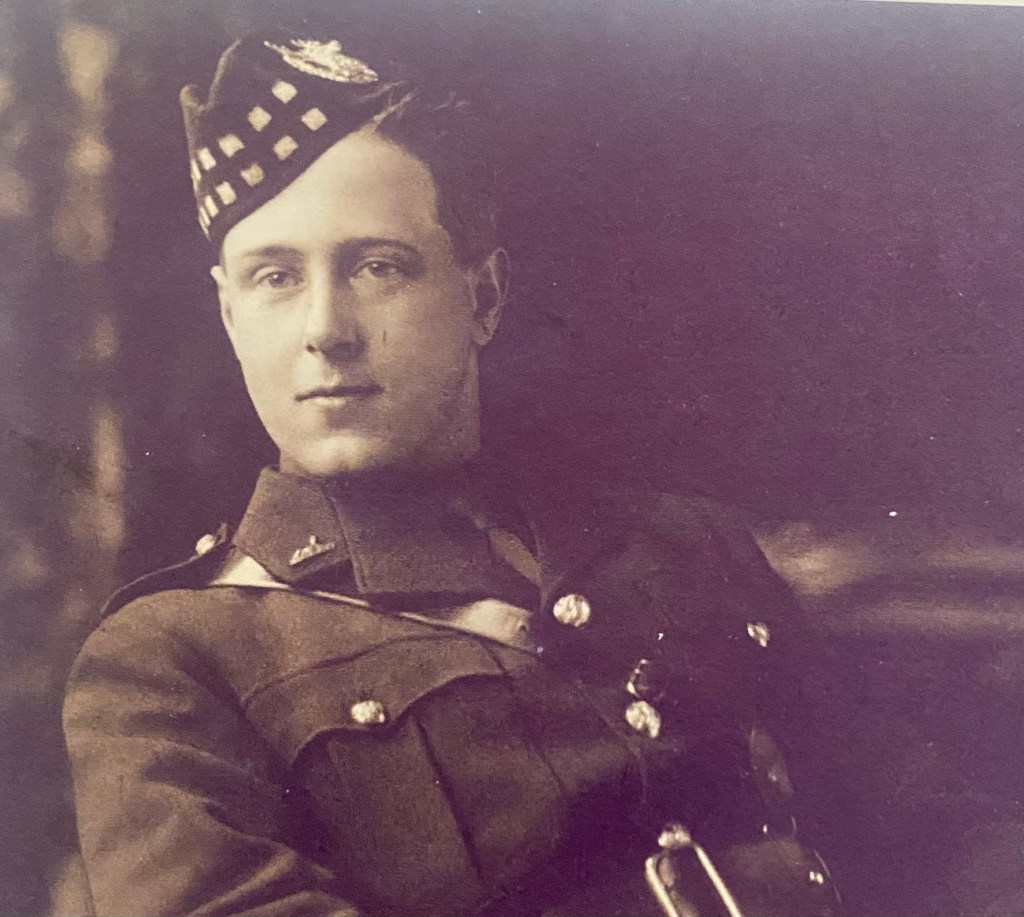
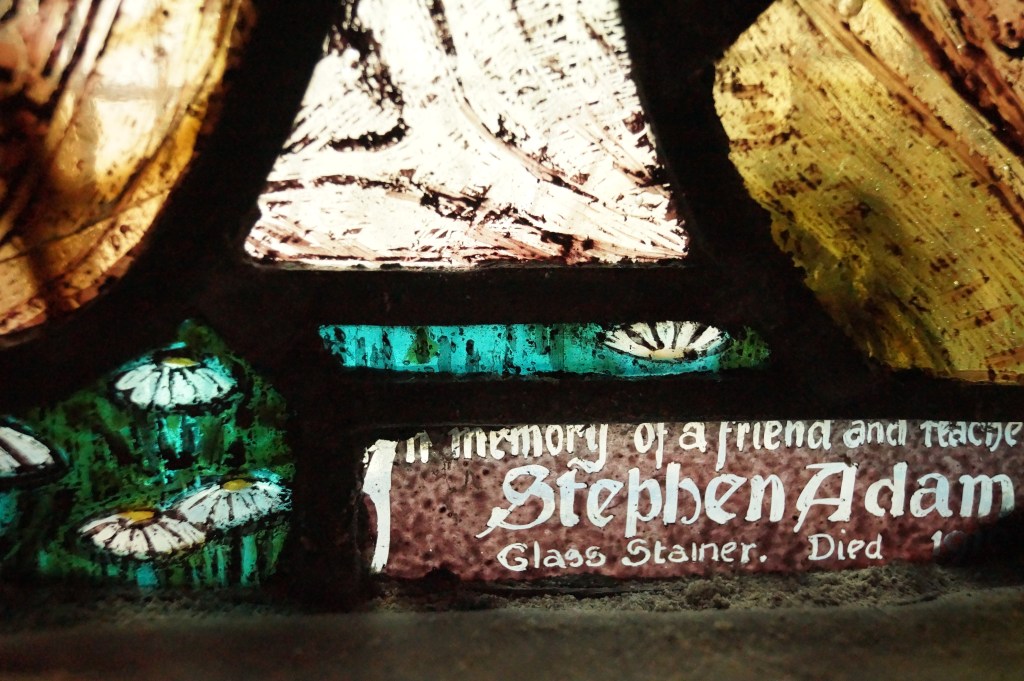
He studied Architecture and Modelling at the Glasgow School of Art before studying under Stephen Adam (1848-1910) in Adam’s Glasgow studio.
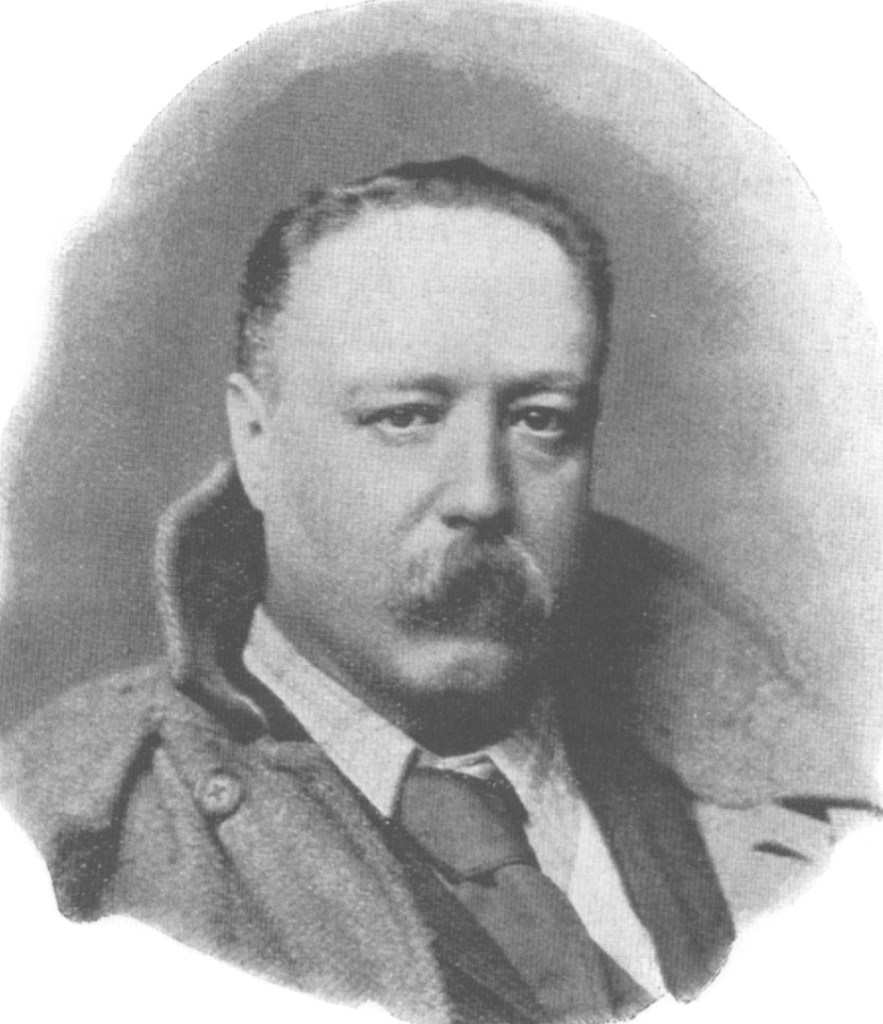
Webster’s talent established him as the successor to Adam who in turn considered Daniel Cottier to be his master. Stephen Adam chose Alf Webster to be his business partner after breaking with his son Stephen Adam Junior.
Alf Webster had exceptional gifts as an artist and craftsman. It is hard to determine when Webster developed his own personal style but he soon showed himself to be the equal of Stephen Adam Senior.
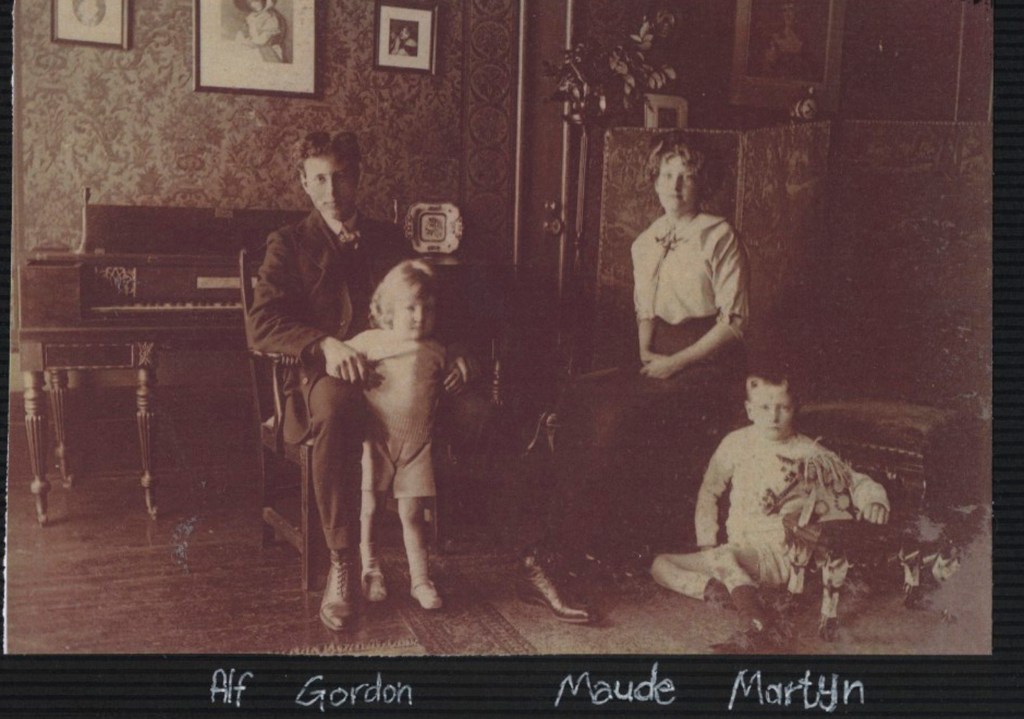
According to Gordon Urquhart after the death of Adam in 1910 Alf Webster “outstripped the artistry of his late partner, namely, in the dynamism of his figure drawing, the expressive nature of his portraiture, the complexity and sheer power of his composition and his formidable technical prowess in regards to the new types of glass and methods of working”. A year after Webster’s death in 1915 former colleagues visited the windows in the building and declared the work as “a worthy memorial of his genius”.
The great north and south transept windows each contain three lancets and a trefoil. In the book ‘Scotland’s Stained Glass – Making The Colours Sing’ Michael Donnelly describes these windows as being among the crowning achievements of Scottish stained glass.
FACT THREE is a Company Limited by Guarantee Registered in Scotland No. Recognised as a Charity, Scottish Charity Registration No.SCO38373.
 Alf Webster Stained Glass Museum